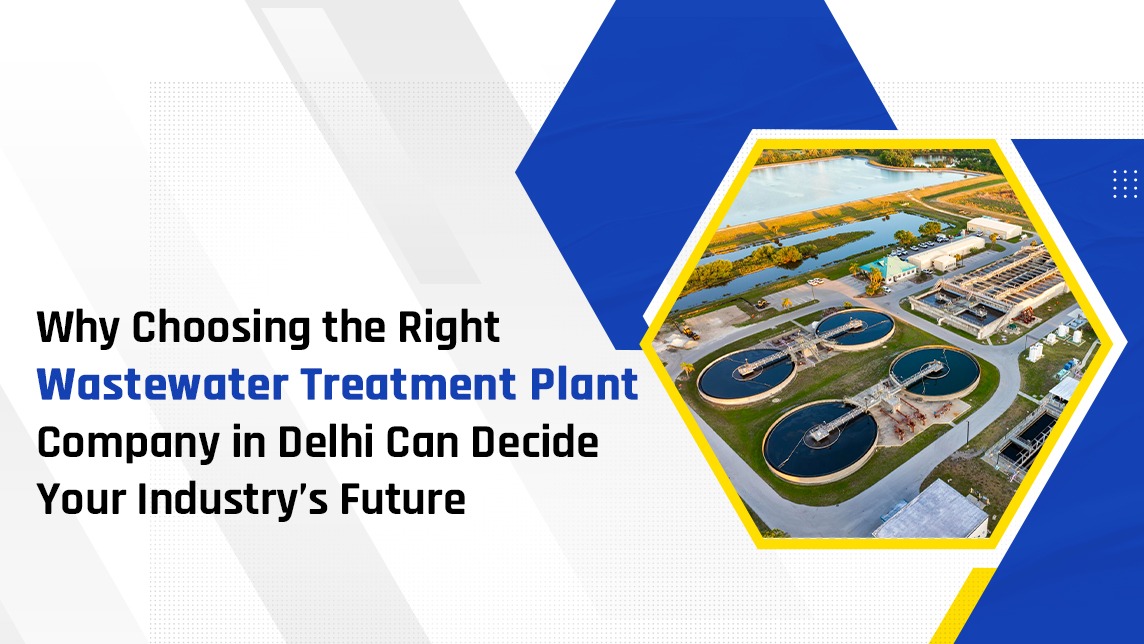
Why Choosing the Right Wastewater Treatment Plant Company in Delhi Can Decide Your Industry’s Future

Most industries don’t realise it at first, but the way they treat and reuse water often becomes the deciding factor between smooth operations and constant compliance headaches. And in a city like Delhi, where regulations tighten every year, choosing the right partner becomes a strategic long-term business decision rather than a routine purchase.

That’s exactly why A3 Technocrafts has become a trusted name for businesses across different sectors searching for a reliable wastewater treatment plant Company In Delhi with deep technical expertise and durable, industry-ready solutions.

What Services Does A3 Technocrafts Provide?

A3 Technocrafts, one of the leading wastewater treatment plant Company In Delhi is known for designing systems that don’t just pass pollution checks, they reduce energy costs, improve efficiency, and support long-term sustainability goals.

1. Sewage Treatment Plants (STP)

As a leading sewage treatment plant company in Delhi, A3 Technocrafts designs STPs for:

  • Hotels & hospitality
  • Residential societies
  • Commercial complexes
  • Industrial campuses

Oursewage treatment plant for hotels in Delhi is engineered with compact layouts, odour control, low energy use, and treated water quality suitable for reuse in flushing and landscaping.

2. Effluent Treatment Plants (ETP)

A3 Technocrafts recognised among the experienced wastewater treatment plant Company In Delhi, our ETPs handle high-load industrial wastewater from:

  • Pharma
  • Food processing
  • Chemical units
  • Automotive & metal finishing

With biological, chemical, and advanced oxidation technologies, we tailor ETPs to meet strict norms without inflating operational costs.

3. Zero Liquid Discharge (ZLD) Systems

A3 Technocrafts is known for delivering robust Zero Liquid Discharge Plants in Delhi that help industries meet the toughest environmental norms. Our ZLD solutions combine RO, evaporators, MEE systems, and sludge management to ensure no liquid waste leaves the facility, a growing necessity under Delhi’s environmental directives.

4. Biological Wastewater Treatment Solutions

For industries that prefer natural, energy-efficient processes, A3 offers:

  • MBBR
  • MBR
  • SBR
  • Activated sludge biological wastewater treatment plants

These systems ensure stability even during fluctuating loads.

5. Water Recycling & Industrial Waste Water Management

We design end-to-end recycling loops that cut freshwater usage significantly, crucial for companies struggling with rising tanker and borewell costs.

Relevant Government Regulations Businesses Must Know

Delhi industries must comply with:

  • CPCB norms for wastewater discharge
  • DPCC approval for STP/ETP installation and operation
  • Revised treated water reuse guidelines
  • Mandatory STP requirements for hotels with 20+ rooms
  • Zero discharge mandates in specific industrial clusters

Ignoring these can lead to penalties, shutdown notices, and long-term compliance risks.

Conclusion

Sustainable and Efficient Industry’s Future starts with a good choice of partners that know the intricacies of water treatment processes and their regulatory and financial impacts.

A3 Technocrafts, based in Delhi, India, is one of the foremost wastewater treatment plant Company In Delhi, we provide services of developing practical, engineered Water Solutions based on the specific needs of the customer, with full visibility on project execution. Additionally, we provide ongoing services designed to help industry remain compliant, efficient, and ready for growth in their future.

FAQs

Q1. What keeps a wastewater treatment plant performing well over time?

Good design, correct technology, and regular monitoring matter far more than just installing the system.

Q2. Can treated wastewater really reduce my water costs?

Yes. Reusing treated water cuts dependence on tankers and borewells, which directly lowers monthly water expenses.

Q3. Are ZLD systems compulsory for all industries?

Not all, but many chemical, textile, and high-load units require ZLD under strict state and central regulations.
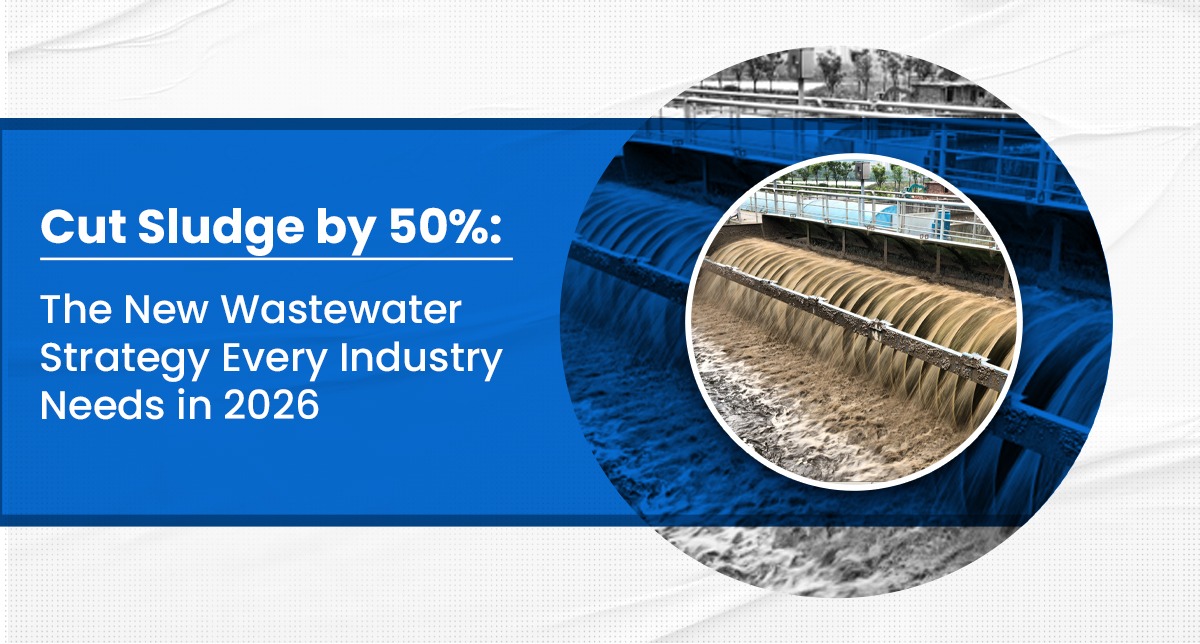
Cut Sludge by 50%: The New Wastewater Strategy Every Industry Needs in 2026

Many commercial buildings such as hotels, hospitals, and large shopping complexes are learning something the hard way: sludge is expensive. It takes space, labor, money, and time. And when the volumes rise, it becomes a daily struggle. At A3 Technocrafts, a waste water treatment company in Delhi, we’ve seen sites where tankers come in almost every other day simply because the plant creates far more sludge than it should.

The surprising part? Most of this can be avoided. In many cases, a few technical adjustments inside sewage treatment plants or Effluent Treatment Plants can bring sludge levels down by nearly half.

Why Sludge Is Becoming a Bigger Problem

The amount of sludge modern commercial properties handle today is much higher than it was a decade ago. Along with this operational pressure comes something even more serious: regulation.

In the last few years, the (CPCB) has increased the regulatory requirements regarding the sewage treatment plants by establishing procedures for the dewatering, sampling, and storage of sludge. Later on they released an additional set of guidelines regarding sewage treatment plants that place a greater emphasis on the prevention of odor from sewage, the sampling of sludge periodically, and more automation in transporting sewage sludge.

These aren’t recommendations; they are requirements. In this blog, let’s go through methods to cut down sludge in a practical way with A3 Technocrafts, a waste water treatment company in delhi,

The Methods That Actually Reduce Sludge

Every facility is different, so the solution is never identical. But certain practices consistently bring results.

1. Better Biological Balance

A stable biological system inside sewage treatment plants is the first step. When oxygen levels and microbial activity remain balanced, the plant produces less sludge. Even minor improvements in aeration patterns can reduce excess biomass quite dramatically.

2. Shifting to MBBR or MBR

Older STP designs often generate more sludge simply because the technology is outdated. In contrast, MBBR and MBR systems are built to produce far less waste. Many commercial properties switch to these technologies when they renovate, especially urban hotels dealing with limited space.

3. Smart Chemical Conditioning

In Effluent Treatment Plants, even slight changes in dosing can make a big difference. When the coagulants and polymers suit the actual wastewater profile, the sludge settles better, and the overall volume comes down.

Why Commercial Properties Trust A3 Technocrafts

A3 Technocrafts, a wastewatertreatment company in Delhi, having years of working experience with hotels, malls, and healthcare facilities, we’ve seen firsthand the pressure they deal with. Rising disposal costs, odour issues, and constant inspections all end up affecting day-to-day operations. Our approach focuses on giving clients long-term stability rather than temporary fixes.

A3 Technocrafts, being a recognised waste water treatment company in Delhi, we design and upgrade systems so they not only perform well but also align with CPCB and SPCB requirements from day one.

A Smarter Approach for 2026

Reducing sludge isn’t just about saving money. It’s about smoother operations. And with regulations becoming more stringent each year, commercial properties cannot afford outdated wastewater systems. Modern sewage treatment plants, reliable Effluent Treatment Plants, and expert guidance from an A3 Technocrafts seasoned waste water treatment company in Delhi can completely reshape how facilities handle their wastewater burden.

Cutting sludge by 50% isn’t an exaggeration it’s achievable with A3 Technocrafts, a waste water treatment company in delhi,

FAQ

Q1. Why do STPs in hotels and malls produce excess sludge?

Irregular loads, outdated technology, and poor biological balance often lead to higher sludge generation.

Q2. Does switching to MBBR or MBR help?

Absolutely. Both systems produce less sludge and deliver more stable treatment performance. We design efficient STP/ETP systems, ensure CPCB compliance, and focus on long-term, low-sludge solutions tailored to commercial sites.

How to Upgrade Your Old STP for Better Efficiency and Performance

Being a responsible business owner you have switched to STP to make your factories work better and efficiently. That is a good thing. But do you know that keeping your STP in a good function is important. In today’s rapidly growing industrial and urban sectors, having a well-functioning Sewage Treatment Plant (STP) is no longer a choice—it’s a necessity. However, many industries, commercial buildings, and institutions continue to operate outdated STPs that either underperform or fail to meet pollution control board norms. When your system shows signs of wear or inefficiency, it’s time to consider an upgrade. Here’s how A3 Technocrafts, a trusted sewer treatment plant company in Delhi, helps transform ageing STPs into efficient, compliant systems.

1. Assess the Existing Infrastructure

Conducting a thorough technical audit is the first step that you can take to assess the current status of your STP. For professional help, A3 Technocrafts can evaluate your plant’s inflow capacity, BOD/COD levels, sludge management, and power usage. Many older STPs are overdesigned or underutilized, leading to unnecessary energy consumption or untreated discharge. Our expert team identifies gaps in treatment quality, mechanical failure points, and process inefficiencies.

2. Upgrade to Modern Technologies

Nowadays, modern technologies like MBBR and SBR have revolutionized sewage treatment. One of the most impactful upgrades you can make is switching from conventional systems like ASP (Activated Sludge Process) to advanced technologies such as MBBR (Moving Bed Biofilm Reactor), SBR (Sequential Batch Reactor), or MBR (Membrane Bio Reactor). These solutions not only boost treatment performance but also save space and reduce long-term maintenance costs. As a leading sewer treatment plant company in Delhi, A3 Technocrafts offer upgraded STP with MBBR and MBR technology to enhance the working of your factories.

3. Energy and Sludge Optimization

With oversized blowers, inefficient pumps, and manual controls—the older STPs offer less efficiency often leading to high electricity bills and poor process control. By replacing them with energy-efficient motors, variable frequency drives (VFDs), and PLC-based automation, operating costs can be reduced. Also upgrading the sludge dewatering systems will enhance the quality of output and reduce handling costs.

4. Compliance with Latest Environmental Norms

In light of rising pollution levels, Pollution control boards have tightened the  discharge norms, and non-compliance can lead to heavy penalties or shutdowns. Hence an upgraded STP is essential to ensure that your treated water meets the latest CPCB or SPCB standards. Being a reputable sewer treatment plant company in Delhi, A3 Technocrafts stays updated with regulatory changes, customizing upgrades accordingly to keep your unit compliant.

5. Treated Water Water Reusability 

Having an upgraded STP is essential to treat water to a level so that it can be reused for some of the industrial processes, thus reducing your dependency on freshwater and supporting sustainability goals. With better filtration and disinfection units like UV and ozone systems, reusability becomes practical and safe.

ConclusionUpgrading your old STP is not just about fixing problems—it’s about a larger vision other than just boosting efficiency, meeting compliance, and saving costs. It is about being responsible for contributing to a cleaner environment. A3 Technocrafts offers complete STP upgrade solutions tailored to your plant’s needs. As a reliable sewer treatment plant company in Delhi, we blend technology with practicality to ensure your system delivers better performance for years to come.

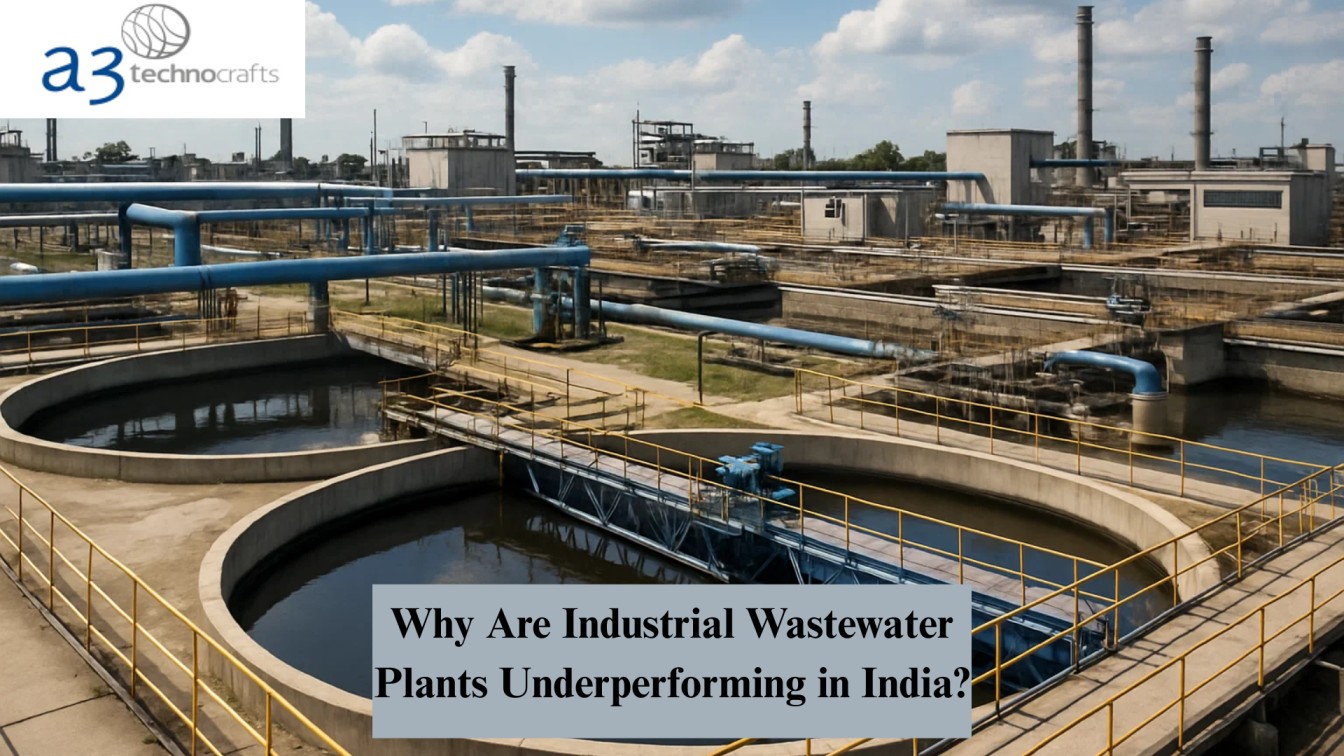
Why Are Industrial Wastewater Plants Underperforming in India?

A Look at Delhi’s Utilization Gap

India, a fast-growing industrial economy, is simultaneously facing one of its most critical environmental challenges: the effective treatment of wastewater. Despite heavy investments in setting up infrastructure, many industrial wastewater treatment plants remain underutilized. Delhi, the nation’s capital, offers a striking example of this issue — raising serious concerns about operational inefficiencies, policy gaps, and long-term environmental impact.

At A3 Technocrafts, we believe addressing this gap is essential not just for compliance but for building a sustainable industrial future.

The Current Scenario in Delhi

Delhi has made strides in establishing wastewater treatment infrastructure. According to recent reports, the city houses several industrial wastewater treatment plants that should, in theory, be capable of handling the growing volume of waste generated by manufacturing hubs and industrial clusters. Yet, these plants are not operating at full capacity.

A key example is the underutilization of the Haiderpur Water Treatment Plant and the challenges faced at Okhla STP, both of which are critical to treating industrial and domestic waste before it flows into the heavily polluted Yamuna River.

What’s Causing the Utilization Gap?

Let’s break down the main reasons industrial wastewater treatment plants in Delhi — and across India — are failing to meet expectations:

1. Lack of Industrial Compliance

Many industries still discharge untreated or partially treated wastewater directly into natural water bodies or public sewers. The enforcement of pretreatment regulations remains weak, and small and mid-sized enterprises often bypass compliance due to limited technical knowledge or to cut costs.

2. Aging Infrastructure

Some of the treatment plants were built years ago and have not been upgraded to handle the current volume and complexity of industrial waste. Outdated equipment, inconsistent power supply, and poor maintenance further reduce plant efficiency.

3. Inefficient Load Management

The distribution of wastewater loads is often uneven. Some plants are overburdened while others operate at just 40–50% capacity. This imbalance results from poor planning and a lack of coordination between industries, municipalities, and state agencies.

A3 Technocrafts: Driving Smarter Solutions

At A3 Technocrafts, we specialize in designing and deploying high-efficiency industrial wastewater treatment plants tailored to the specific needs of businesses across sectors. Our systems are compact, energy-efficient, and compliant with national and international pollution control norms.

Whether you’re a large manufacturer or a small enterprise, we help you:

Identify the right treatment technology (biological, chemical, membrane-based, etc.)

Optimize energy and chemical usage

Ensure long-term operational reliability

Comply with government discharge norms

Looking Ahead: What Needs to Change?

To close the utilization gap in cities like Delhi, we need a coordinated approach:

Better monitoring and enforcement of wastewater discharge norms

Public-private partnerships to maintain and upgrade existing plants

Training and capacity building for industries to understand treatment needs

Incentives for compliance through subsidies or tax benefits

Conclusion

Delhi’s underutilized industrial wastewater treatment plants highlight a broader issue across India’s industrial landscape. Infrastructure alone isn’t enough — it must be matched by awareness, enforcement, and innovation.

A3 Technocrafts is committed to building solutions that work, not just on paper, but on the ground. Let’s treat wastewater right — because cleaner water means stronger industries and a healthier tomorrow.

Boost Your Brand Image and Save for a Sustainable Future with Smart Wastewater Management

In today’s competitive market, businesses that prioritize sustainability stand out. Consumers, investors, and partners are increasingly drawn to companies that take proactive steps to reduce their environmental impact. Smart wastewater management is an essential part of this effort. By focusing on water neutrality, implementing efficient wastewater treatment systems, and earning carbon credits, businesses can save money, enhance their brand image, and unlock new growth opportunities.

A3 Technocrafts helps industries across India achieve operational efficiency and environmental sustainability through advanced wastewater treatment solutions such as Zero Liquid Discharge (ZLD), Effluent Treatment Plants (ETP), and Sewage Treatment Plants (STP). Partnering with experienced wastewater treatment companies like A3 Technocrafts enables industries to reduce costs, improve their sustainability profile, and reinvest savings into future growth.

Achieve Water Neutrality and Save Money on Water Bills

Water is an essential yet costly resource for industries such as manufacturing, textiles, food processing, and chemicals. By installing a ZLD or ETP system, businesses can recover and reuse up to 95% of their wastewater, significantly reducing their reliance on fresh water. This not only helps conserve water but also contributes to achieving water neutrality, which is a vital aspect of corporate sustainability.

Reducing fresh water consumption leads to substantial cost savings. These savings can be reinvested into key business areas like technology upgrades, equipment, and expansion, fostering faster growth. Additionally, businesses that implement water-efficient systems are eligible to earn carbon credits, a valuable financial asset that promotes environmental responsibility and helps businesses align with global sustainability goals.

Reduce Treatment and Disposal Costs

Without a proper wastewater management system, industries face significant costs for external effluent disposal. Moreover, the risk of facing legal fines for non-compliance with environmental regulations adds to these financial burdens. By installing an ETP or STP on-site, businesses can treat their wastewater internally, cutting down on third-party disposal costs and reducing the need for expensive external services.

A ZLD system takes this one step further by ensuring that no liquid waste leaves the facility, minimizing the risk of compliance penalties. This helps businesses manage their environmental impact more effectively while saving money. These cost savings create opportunities to reinvest funds into essential business areas, such as research and development, marketing, and infrastructure.

Enhance Your Brand Value and Attract New Opportunities

Today’s clients, investors, and stakeholders are more inclined to partner with businesses that prioritize sustainability and environmental responsibility. By implementing effective wastewater treatment systems, companies can significantly enhance their brand value, positioning themselves as leaders in sustainable practices.

A3 Technocrafts’ custom-built ZLD, ETP, and STP systems not only ensure regulatory compliance but also open the door to new opportunities, including government incentives, enhanced client trust, and long-term business partnerships. Moreover, businesses that earn carbon credits strengthen their sustainability credentials, creating additional value for clients and investors who prioritize environmentally responsible businesses.

Long-Term Investment, Long-Term Savings

While the initial investment in wastewater treatment systems may seem substantial, the long-term benefits far outweigh the costs. Most businesses recover their investment within a few years, thanks to lower water bills, reduced fines, and decreased maintenance costs.

A3 Technocrafts’ solutions are designed to be energy-efficient, low-maintenance, and durable, ensuring continued savings year after year. Additionally, businesses that implement these systems can earn carbon credits, providing an extra layer of financial benefit while contributing to a more sustainable future.

Conclusion

Smart businesses know that every penny saved is an opportunity for reinvestment and growth. By partnering with wastewater treatment companies like A3 Technocrafts, businesses can achieve water neutrality, reduce operational costs, earn carbon credits, and build a more sustainable future. The right wastewater management system not only helps companies meet environmental standards but also boosts profitability and brand value.

Make the smart choice today—save more, grow faster, and reinvest smarter with A3 Technocrafts.

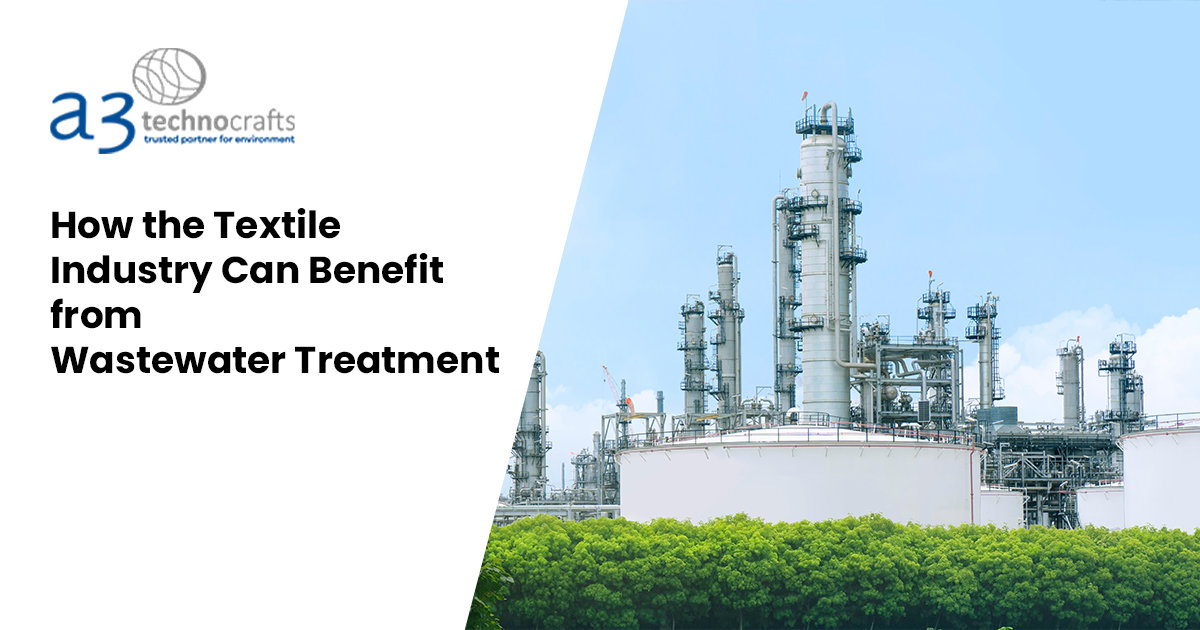
How the Textile Industry Can Benefit from Wastewater Treatment

The textile industry is one of the largest consumers of water globally, and as a result, it generates substantial amounts of wastewater. This wastewater often contains a variety of contaminants, including dyes, chemicals, and heavy metals, which can harm the environment if not properly treated. As the demand for sustainable practices grows, the importance of implementing effective wastewater treatment solutions has become evident. A Wastewater Treatment Company plays a crucial role in helping textile manufacturers manage and treat wastewater efficiently, ensuring both environmental protection and business sustainability.

1. Environmental Protection

The primary benefit of wastewater treatment in the textile industry is the reduction of harmful environmental impact. Untreated wastewater, when discharged into natural water bodies, can lead to pollution, affecting aquatic life, soil health, and overall ecosystem balance. By partnering with a reputable wastewater treatment company, textile manufacturers can ensure that harmful substances like dyes, chemicals, and solids are removed from wastewater before it is released, thus minimizing environmental damage and complying with local environmental regulations.

2. Cost Reduction through Water Recycling

Water is a vital resource in textile production, and by recycling treated wastewater, textile companies can significantly reduce their water consumption. Water recycling systems, including Zero Liquid Discharge (ZLD) and wastewater recovery plants, not only help in conserving fresh water but also reduce the costs associated with purchasing and treating fresh water. A wastewater treatment company can provide solutions that recycle water efficiently, making it reusable for non-critical processes like washing or dyeing, and even recovering valuable resources like heat and chemicals. This leads to long-term cost savings for textile manufacturers while ensuring minimal water waste.

3. Regulatory Compliance and Risk Management

The textile industry is subject to increasingly strict regulations regarding wastewater discharge, with penalties for non-compliance. A wastewater treatment company helps textile businesses meet these stringent regulations by providing systems that treat wastewater to meet or exceed local discharge standards. Zero Liquid Discharge (ZLD) solutions take this a step further by ensuring that no wastewater is released into the environment, creating a completely closed-loop system. By adhering to these requirements, companies can avoid costly fines, operational delays, and potential damage to their reputation, ensuring smooth operations without legal hassles.

4. Improved Brand Image and Sustainability

Consumers are becoming more eco-conscious, and companies that demonstrate a commitment to sustainability are more likely to gain consumer trust and loyalty. By investing in wastewater treatment solutions, including ZLD and wastewater recovery systems, textile companies can significantly improve their environmental credentials. This commitment to sustainability not only helps protect the planet but can also boost brand image, enhance consumer perception, and create opportunities for market differentiation.

5. Enhanced Operational Efficiency

Modern wastewater treatment technologies can offer significant improvements in operational efficiency. Advanced treatment systems such as membrane bioreactors (MBR), reverse osmosis, and ultrafiltration can recover valuable resources, including heat and chemicals, which can be reused within the plant. By optimizing energy usage and reducing waste, a wastewater treatment company can help textile manufacturers lower operational costs and increase overall efficiency.

6. Support for Long-Term Business Growth

Sustainable practices are no longer just a trend but a necessity for long-term business viability. Wastewater treatment not only ensures regulatory compliance and environmental protection but also plays a key role in supporting long-term growth. By reducing water usage, minimizing waste, and showcasing a commitment to sustainability, textile manufacturers can secure a competitive advantage in the market, attracting more business and partnerships in an increasingly eco-conscious world.

Partner with A3 Technocrafts

If you’re a textile manufacturer looking for reliable wastewater treatment solutions, A3 Technocrafts, a leading wastewater treatment company, offers cutting-edge technologies tailored to meet your needs. Our advanced wastewater treatment systems, including ZLD and wastewater recovery plants, are designed to ensure regulatory compliance, improve water efficiency, and support sustainable business practices. Contact A3 Technocrafts today to learn how we can help you optimize your wastewater management processes and contribute to a greener future.

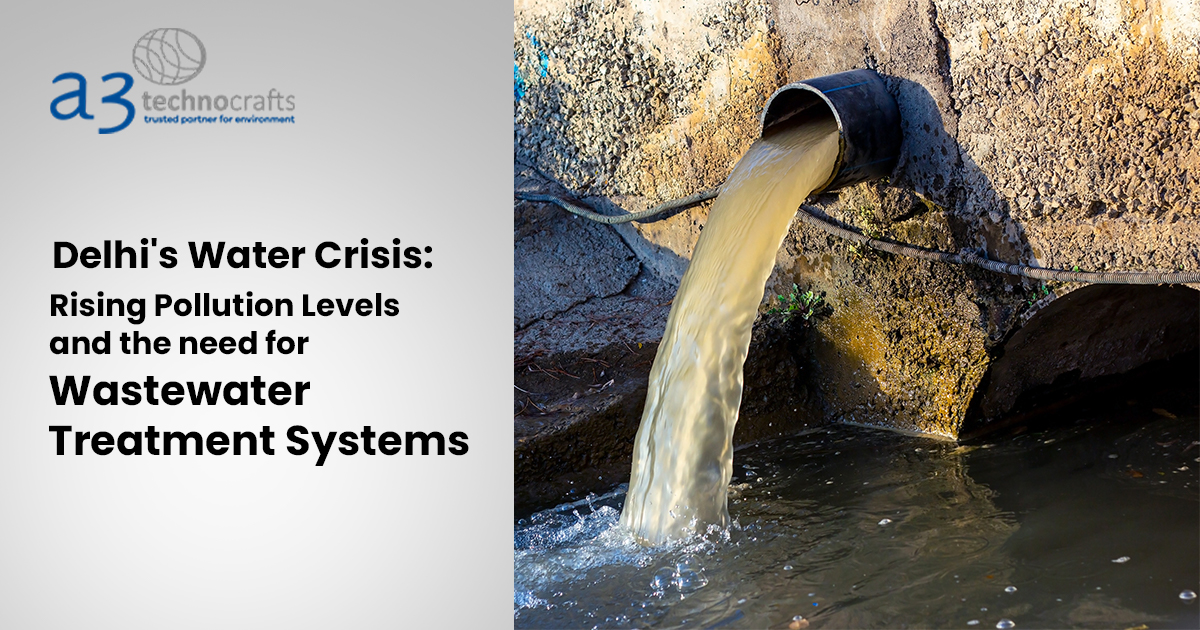
Delhi’s Water Crisis: Rising Pollution Levels and the Need for Wastewater Treatment Systems

Delhi is currently facing a severe water crisis, particularly in the northern and central regions. The primary cause of this issue is the high pollution levels in the Yamuna River, the city’s primary source of water. Recently, the Delhi Jal Board (DJB) reported a sharp rise in ammonia levels in the raw water, from 3 parts per million (ppm) to 5ppm, which has severely impacted the water treatment process. This issue, while recurring, has become particularly acute from January to March. The rise in ammonia and other pollutants has strained the city’s water supply, affecting several parts of Delhi with low-pressure water or complete shortages. The urgent need for effective Wastewater Treatment Systems to address this rising pollution is now more apparent than ever.

The Situation at Hand: Increased Pollution and Water Shortages

The ammonia contamination in the Yamuna is causing disruptions in the water treatment operations. The Wazirabad Water Treatment Plant has been reduced to operating at 50% of its capacity, and despite attempts to dilute the water with additional sources, the raw water quality continues to fall below acceptable standards. As a result, water treatment facilities are unable to process the water efficiently, leaving residents in many areas of Delhi without adequate water supply. This situation underscores the critical need for advanced wastewater treatment systems to combat the rising pollution and ensure a consistent and clean water supply.

The Solution: Advanced Wastewater Treatment Systems

In response to these challenges, implementing robust and effective wastewater treatment systems can help tackle the pollution in our water sources. Wastewater treatment systems help remove contaminants and improve water quality for safe reuse or discharge. Here are a few key solutions:

  1. Zero Liquid Discharge (ZLD): ZLD is a comprehensive wastewater treatment system that ensures no water is wasted, and all effluent is treated and recycled. By implementing ZLD systems, pollutants are eliminated, and clean water is available for reuse, significantly reducing the environmental impact on water bodies like the Yamuna.
  2. Effluent Treatment Plants (ETP): These are specialized treatment systems designed to treat industrial wastewater that contains harmful chemicals and pollutants. ETPs ensure that industries comply with environmental regulations by treating their effluents before discharging them into water bodies.
  3. Sewage Treatment Plants (STP): STPs are used to treat domestic and commercial sewage, which is one of the major contributors to water pollution. By implementing STPs, municipalities can reduce the contamination of water bodies, ensuring that water is purified before it is reused or returned to the environment.
  4. Comprehensive Wastewater Treatment Plants (WWTP): WWTPs are designed to handle large volumes of wastewater from both industrial and domestic sources. These plants use a combination of physical, chemical, and biological processes to treat and purify wastewater, ensuring that it is safe for discharge or reuse.

A3 Technocrafts: Your Partner in Wastewater Treatment Solutions

At A3 Technocrafts, we specialize in providing innovative and sustainable wastewater treatment systems. Our cutting-edge technologies, including Zero Liquid Discharge (ZLD) systems, Effluent Treatment Plants (ETP), Sewage Treatment Plants (STP), and Comprehensive Wastewater Treatment Plants (WWTP), are designed to address the growing pollution in water bodies like the Yamuna. We offer customized solutions that are tailored to meet the specific needs of our clients, whether they are industrial plants or municipalities in need of efficient water treatment systems.

Our systems are designed for high performance, ensuring that wastewater is treated to the highest standards. By investing in wastewater treatment systems, industries and local authorities can significantly reduce the pollution load in rivers, improve water quality, and contribute to the sustainable use of water resources.As Delhi continues to face challenges with water supply and pollution, adopting advanced wastewater treatment systems is essential to protect the environment and ensure that the city’s water needs are met. A3 Technocrafts is here to help you tackle these challenges, providing reliable, innovative, and cost-effective solutions for wastewater treatment.

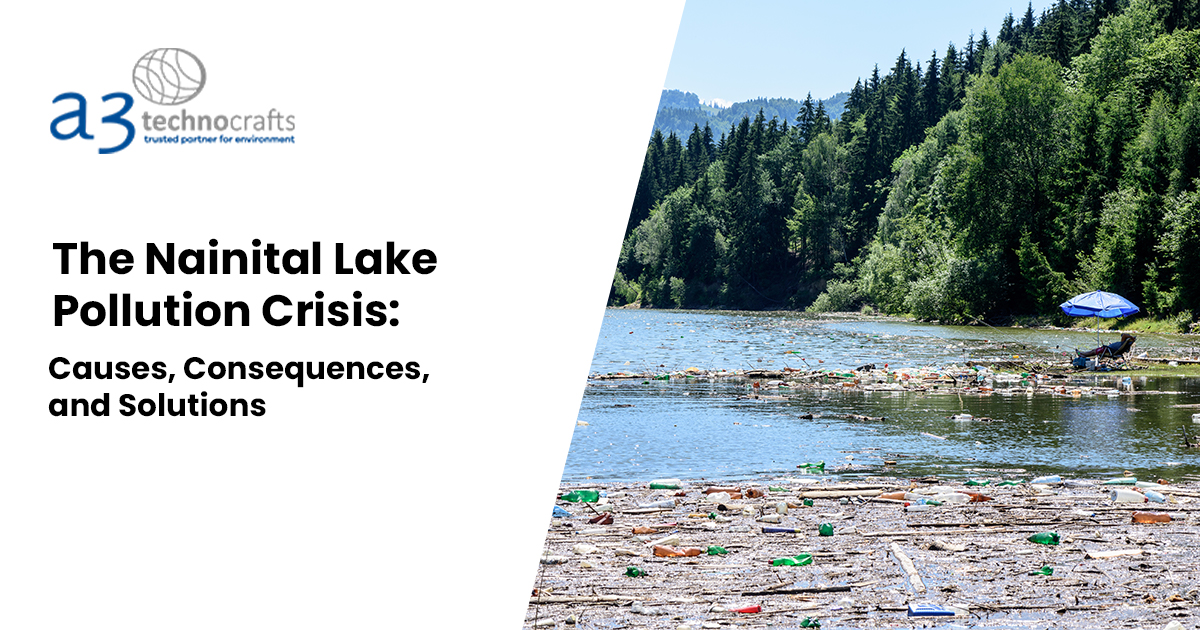
The Nainital Lake Pollution Crisis: Causes, Consequences, and Solutions

What Happened at Nainital Lake

Nainital Lake, once a pristine water body, is now grappling with severe pollution, prompting urgent attention. The National Green Tribunal (NGT) intervened after a petition from environmental activist Hemant Singh Goniya, highlighting the alarming pollution levels in the lake. Untreated sewage and garbage have been flowing into the lake through over 40 British-era drains, exacerbating the water contamination. This pollution has escalated due to the lack of an effective Wastewater Treatment System to manage the increasing waste, which is rapidly deteriorating the water quality.

Why This Happened

The Nainital Lake crisis is a direct result of inadequate wastewater treatment systems. The outdated drainage infrastructure, designed during the British era, is unable to handle the growing demands of the urbanizing area. Untreated sewage and industrial effluents continue to pollute the lake, as the lack of an efficient wastewater treatment system leaves no effective solution to this problem. The environmental impact is dire, with waterborne diseases becoming more prevalent, especially during the monsoon season.

The Impact on Nainital Lake

The consequences of this pollution are severe. Nainital Lake, once a tourist attraction and vital ecological asset, is now a breeding ground for waterborne diseases. The rising contamination has impacted both public health and local biodiversity, and continued degradation could threaten the livelihood of the communities dependent on the lake. The lake’s deteriorating condition is also detrimental to the region’s tourism industry.

The Need for Immediate Action

The situation calls for swift action to restore the health of Nainital Lake. A sustainable and efficient wastewater treatment system is essential to prevent further damage. While cleaning efforts are ongoing, the core issue remains the untreated sewage and industrial effluent flowing into the lake. The long-term solution lies in establishing a robust wastewater treatment system that can address these concerns and prevent further contamination.

Solutions to Address the Nainital Lake Pollution

Effective wastewater treatment systems are the key to resolving the pollution crisis. Key solutions include:

  1. Sewage Treatment Plants (STPs) to treat domestic wastewater and stop untreated sewage from reaching the lake.
  2. Effluent Treatment Plants (ETPs) to manage industrial effluents and ensure that harmful chemicals are properly treated before disposal.
  3. Zero Liquid Discharge (ZLD) Systems to help industries recycle and reuse water, ensuring no liquid waste is discharged into the environment.

How A3 Technocrafts Can Help

A3 Technocrafts offers state-of-the-art wastewater treatment systems designed to tackle the pollution affecting Nainital Lake. Our wastewater treatment systems, including STPs, ETPs, and ZLDs, are specifically designed to treat and manage both domestic and industrial wastewater, removing harmful contaminants and protecting the lake’s ecosystem. By incorporating these systems, we can effectively reduce the pollution levels in the lake and work toward its restoration.

A3 Technocrafts’ commitment to offering advanced Wastewater Treatment System ensures that local municipalities and industries have access to sustainable solutions. Our tailored systems ensure that wastewater is treated efficiently, thus contributing to a cleaner and healthier environment for Nainital.

Conclusion:

A Path Toward a Cleaner Nainital LakeThe pollution crisis in Nainital Lake highlights the urgent need for a comprehensive wastewater treatment system. Without an efficient and sustainable approach to managing wastewater, the lake’s ecosystem will continue to suffer. A3 Technocrafts is ready to help by providing advanced wastewater treatment solutions that can help restore the lake’s water quality and prevent future contamination. With the right solutions in place, Nainital Lake can be revived, ensuring it remains a vital resource for the community and future generations.

Bengaluru’s Water Crisis and Flooding in 2024: What Happened, Why It Happened, and How We Can Address It

As reported by Hindustan Times recently, Bengaluru faced an alarming water crisis and recurring floods in 2024. The city grappled with severe water shortages during the summer, which later transitioned into widespread flooding after heavy rains. This situation posed significant challenges to the city’s infrastructure, governance, and residents, underscoring the urgent need for better water and wastewater management. The role of Wastewater Treatment Plant Companies in addressing such crises is more critical than ever.

What Happened?

In 2024, Bengaluru experienced a severe water crisis during the summer, primarily affecting areas reliant on borewells and water tankers. Areas served by the Cauvery river were somewhat insulated, but the city still struggled with water-sharing disputes and overall scarcity. Following this, heavy rainfall caused widespread flooding, which highlighted the city’s vulnerability to extreme weather events and underscored the need for innovative water management practices. Wastewater treatment plant companies could play a crucial role in reducing the strain on the city’s water systems.

Why Did It Happen?

The water crisis in Bengaluru was driven by several factors:

  • Drought conditions affected the city’s water reservoirs.
  • Over-reliance on borewells and tankers for water supply.
  • Water-sharing disputes with neighboring states made access to reliable sources difficult.
  • Insufficient infrastructure to manage the floods and storms, causing damage to homes, roads, and civic amenities.

How Did It Happen?

The situation was made worse by:

  • Declining groundwater levels, especially in borewell-dependent areas.
  • Inadequate stormwater management systems that couldn’t cope with sudden, heavy rains, leading to widespread flooding.
  • Slow adoption of water-saving measures and water reuse strategies, leaving the city vulnerable to water shortages.

The Importance of Treated Water

In response to the water crisis, Bengaluru’s water board mandated the use of treated wastewater for major construction and industrial projects, with supply rising sharply from 60,000 litres to 6 million litres daily. This significant increase in treated water use highlighted the importance of adopting sustainable practices for managing wastewater and emphasized the role of wastewater treatment plant companies in ensuring a consistent water supply. By treating and reusing wastewater, Bengaluru can reduce its dependence on fresh water sources, alleviating pressure on existing resources and supporting growth.

What Can Be Done?

At A3 Technocrafts, we specialize in providing water and wastewater management solutions that can greatly improve urban water systems, addressing the challenges faced by cities like Bengaluru. As one of the leading Wastewater Treatment Plant Companies, here are some of the solutions we offer:

  1. STP (Sewage Treatment Plants):
    Our advanced sewage treatment plants efficiently treat and reuse wastewater, reducing dependency on fresh water sources and preventing pollution.
  2. ETP (Effluent Treatment Plant):
    We offer effective treatment solutions for industrial wastewater. Our ETP systems remove harmful pollutants, ensuring safe disposal or reuse, helping industries comply with environmental regulations while conserving water.
  3. ZLD (Zero Liquid Discharge):
    Our Zero Liquid Discharge systems enable industries to eliminate wastewater discharge entirely, leading to water conservation and efficient reuse of treated water.

By adopting these advanced solutions, cities like Bengaluru can manage water resources more effectively, reduce wastage, and be better prepared for both droughts and floods. Sustainable water management is essential for ensuring a reliable, clean water supply for future generations.Ready to take the next step toward sustainable water management? Contact A3 Technocrafts, one of the trusted wastewater treatment plant companies today to explore our advanced water and wastewater solutions, including STP, ETP, and ZLD. Let us help you conserve resources, reduce costs, and protect the environment. Get in touch now for a customized solution tailored to your needs.