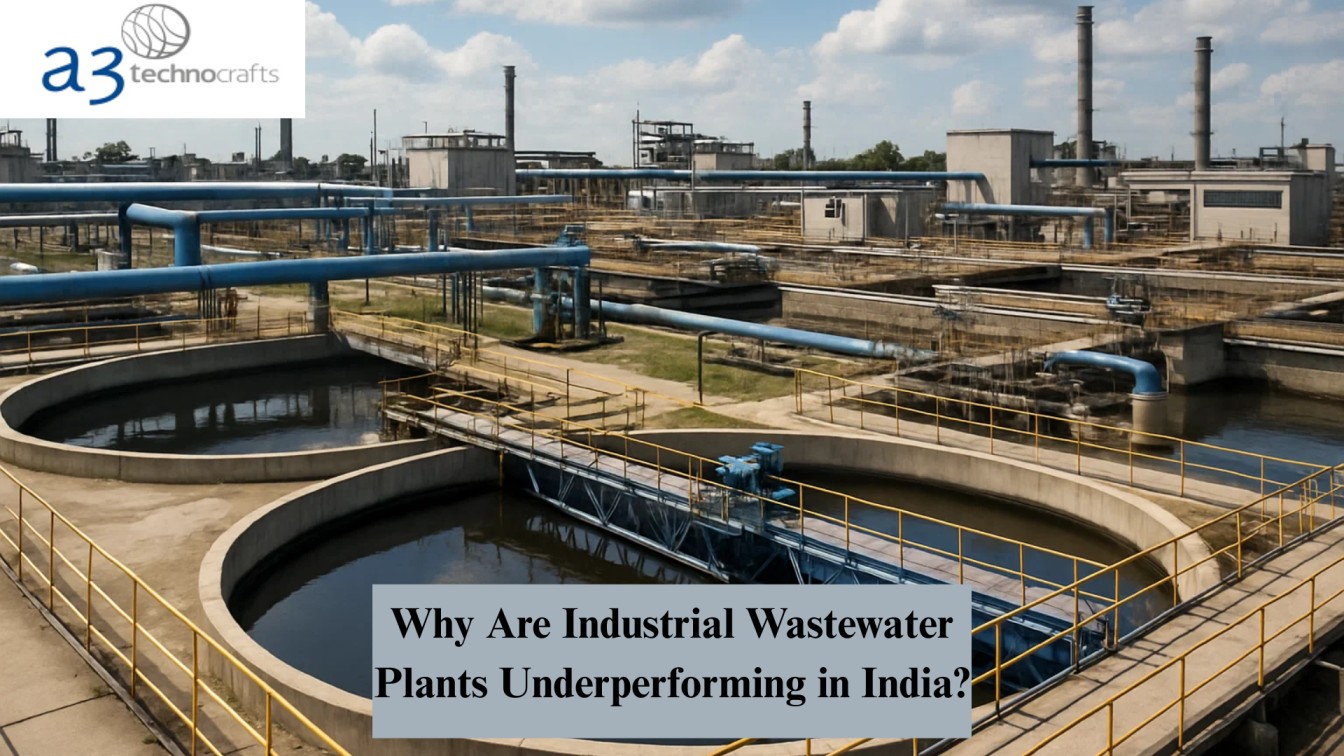
Have you considered what might happen to factories without rules for their industrial wastewater management? It may not seem important to you.
When wastewater isn’t managed the right way, it doesn’t just disappear — it slowly creates big problems.
A3 Technocrafts is a reliable wastewater treatment system company. It provides solutions that help industries avoid causing unintended problems. A3’s solutions ensure that every drop of water gets clean and safe treatment. This allows operations to run with efficiency and sustainability.
When Water Turns Into Waste — The Consequences You Don’t See Coming
In most manufacturing industries, water plays a big role — it’s needed for cleaning, cooling, and running daily operations. But when this water isn’t treated properly before being released, it can slowly damage the soil, pollute rivers.
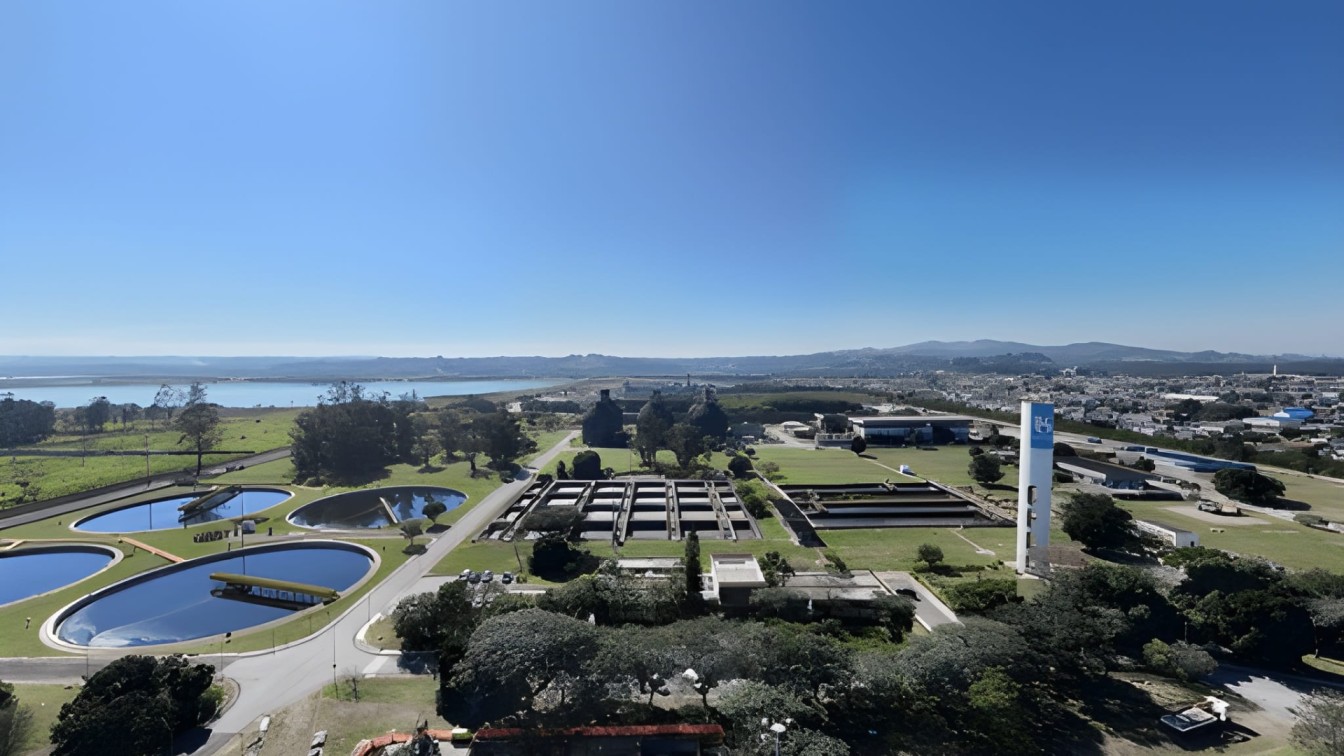
Effluent Treatment Plants (ETP) and biological wastewater treatment plants are key solutions here.
How Poor Water Management Hits Every Corner of the Industry
In the absence of wastewater treatment, heavy metals and toxins can seep into the soil, waterways, and air. The consequences may be:
1. Environmental Harm
- Water Pollution: Wastewater that is not managed or controlled will pollute rivers and lakes, which causes serious side effects for animals and fish.
- Soil Pollution: Contaminated water leads to barren lands, serious health issues from such crops cultivated from such land.
2. Legal and Regulatory Risks
As a manufacturer, you must pay attention to wastewater regulations. It’s important for your business. The consequences of not treating are as follows:
- Financial Penalties: Unanticipated financial costs you had no intention of incurring.
- Loss of Operations: People can shut you down if you can’t show compliance.
- Waived Consumer Trust: Partnership relationships and/or customer trust can be severed.
3. Operational Costs
The application of untreated wastewater can slowly increase your costs of operations:
- Corrosion of Equipment– your piping and pumps, as well as machinery will all be in worse condition.
- Frequent Repairs and Downtime- if a system is clogged, it will slow your production.
- Higher Energy Consumption– if the wastewater system is neglectful, it will consume energy.
A commercial Effluent Treatment Plant or a biological wastewater treatment plant solves these problems. Plus, it won’t cost you more.
Transforming Wastewater into Value: The Benefits of ETP Systems
What if the water that your company sends down the drain could, in fact, provide value back to your business?
That is what the Effluent Treatment Plants (ETPs) from A3 Technocrafts are designed to do.
Transforming Wastewater into Value: The Benefits of ETP Systems
ETP systems clean and clarify wastewater. They create a healthy environment and recover useful nutrients. Farmers can repurpose these nutrients into fertilizer for agriculture. Reducing waste, reducing cost, and a healthier future – all good outcomes from a simple adage.
With each ETP, A3 Technocrafts moves closer to sustainable manufacturing. We meet regulations, manage wastewater effectively, and turn challenges into future opportunities.
Because at A3, wastewater isn’t just treated – it’s turned into value.
From Waste to Value — A3’s Smart Way Forward
Bad wastewater causes a domino effect. Bad wastewater harms the environment, increases costs, and creates legal problems. It also risks people’s health.
Investing in an efficient wastewater treatment system benefits your business and the economic system. A3 Technocrafts is a highly regarded company for wastewater treatment in Delhi, which ensures that you have adequately covered the safety, hygienic and ecological aspect of your process.
FAQs
1. Why is wastewater management important for manufacturing units?
Effective industrial wastewater management helps the environment. It also cuts fines and liabilities, ensuring smooth operations.
2. Can industries save money with these treatment plants?
Yes! Effluent Treatment Plants and Zero Liquid Discharge Plants help save on maintenance costs. They also cut down on wastewater and lower energy expenses.
3. Are these solutions applicable for every manufacturing industry?
Yes! A3 Technocrafts offers wastewater solutions for food processing, heavy manufacturing, and more.